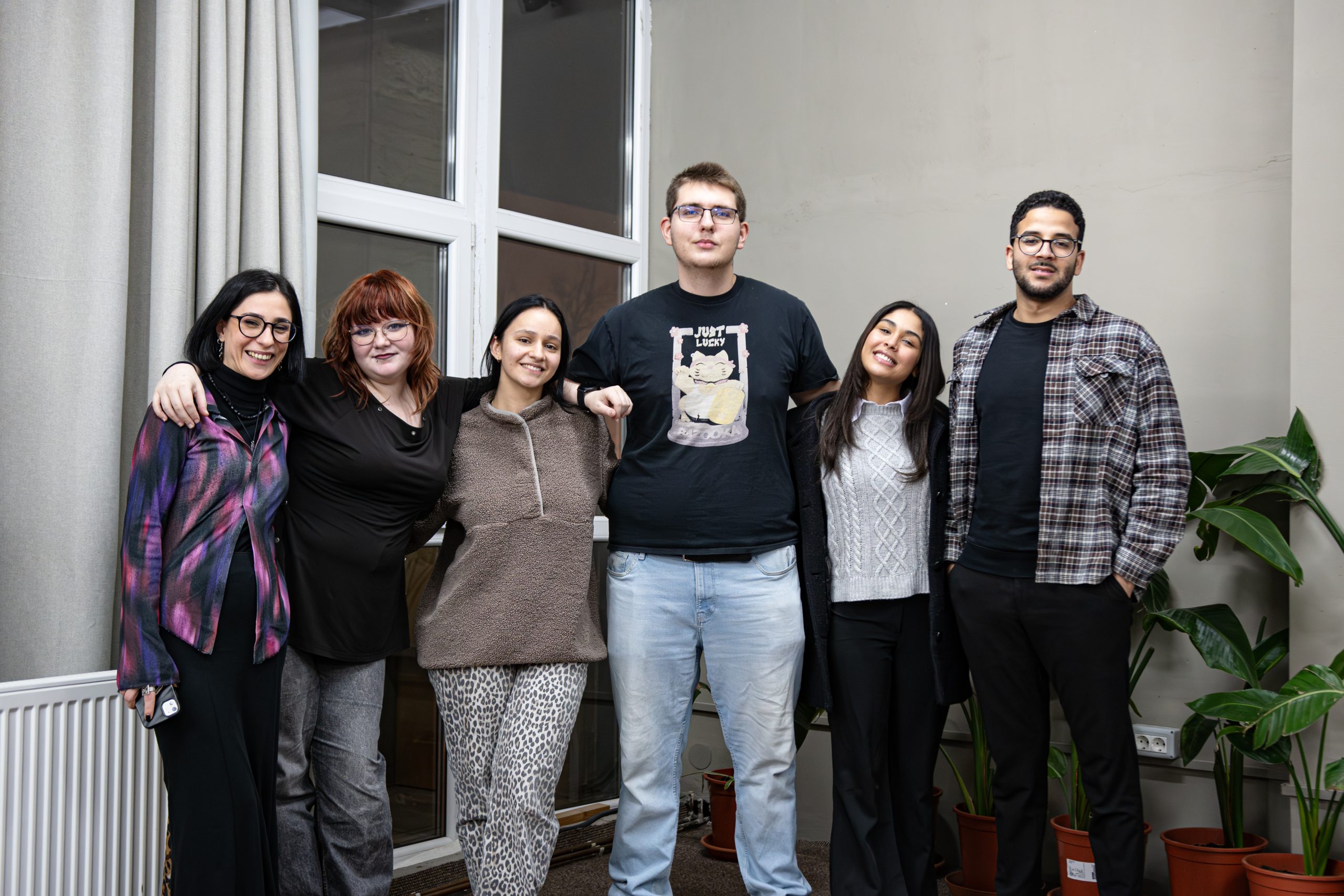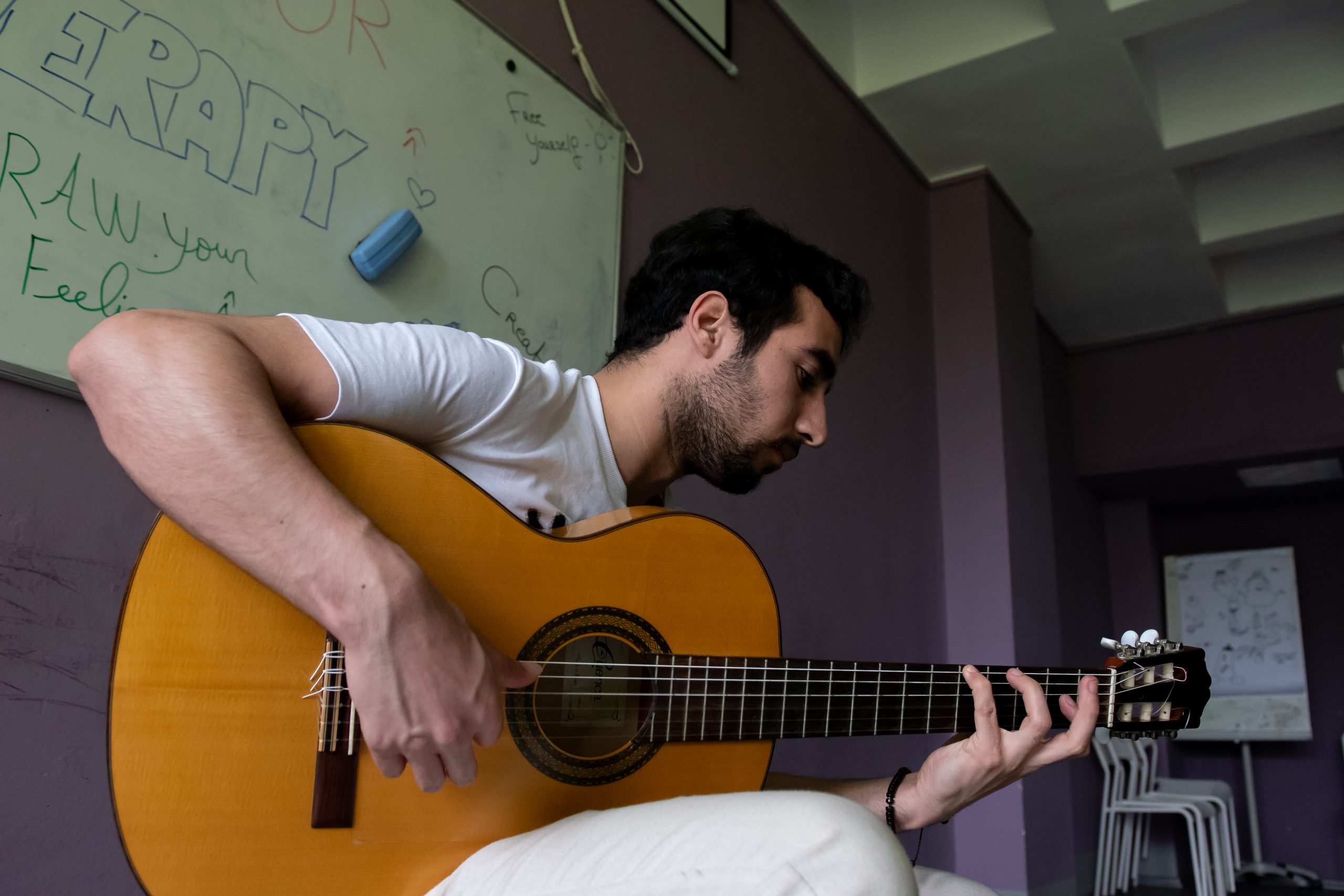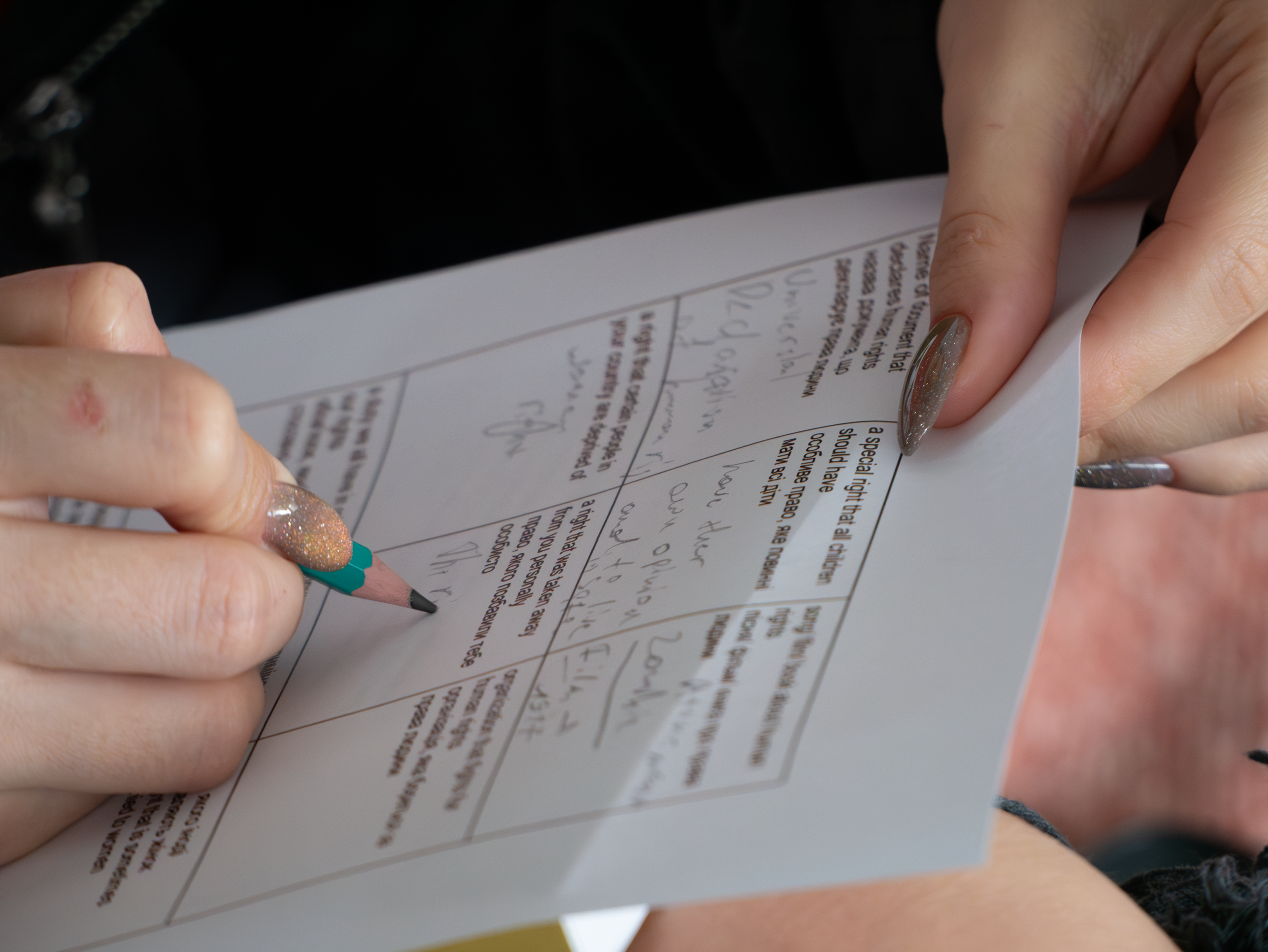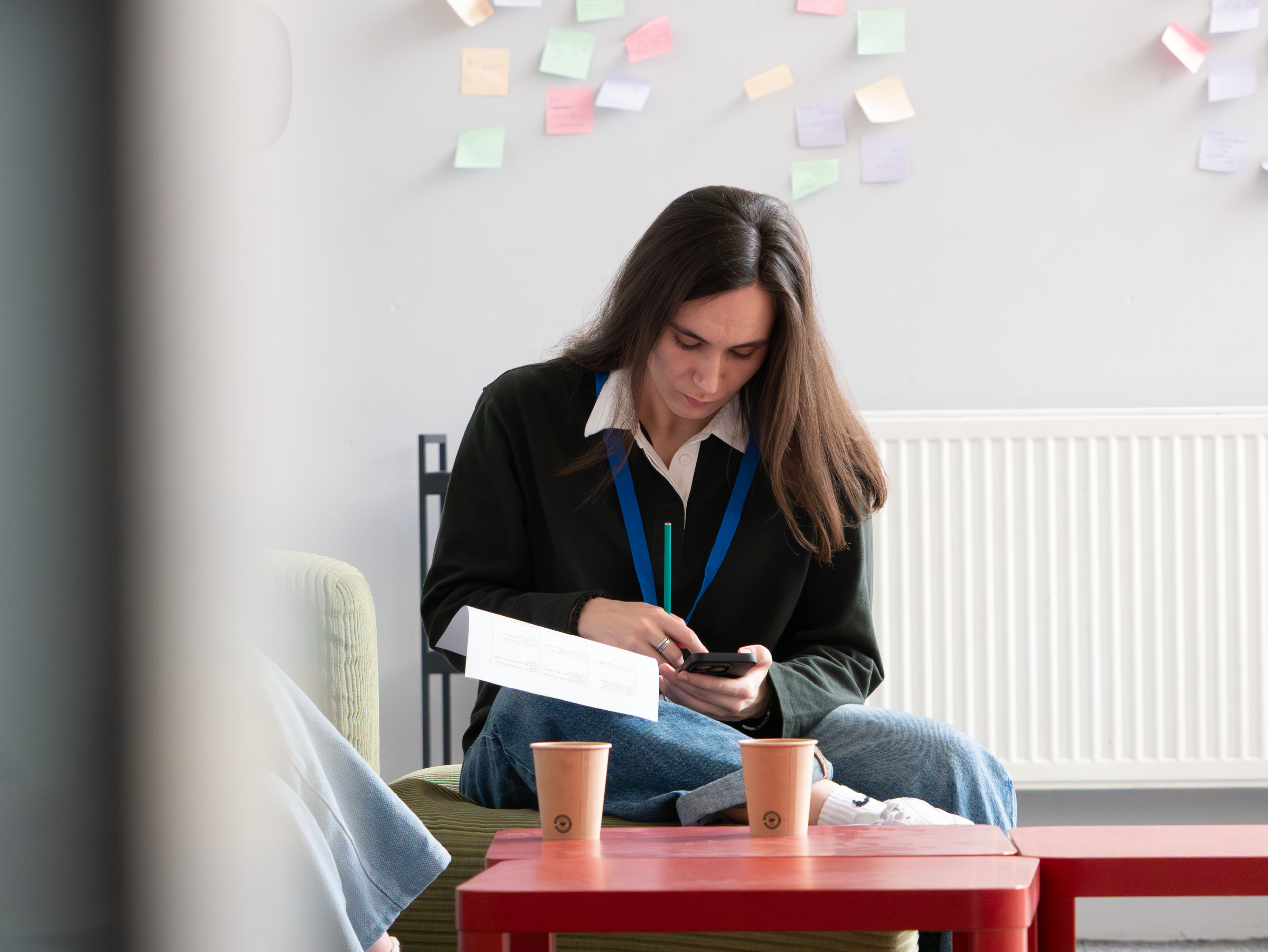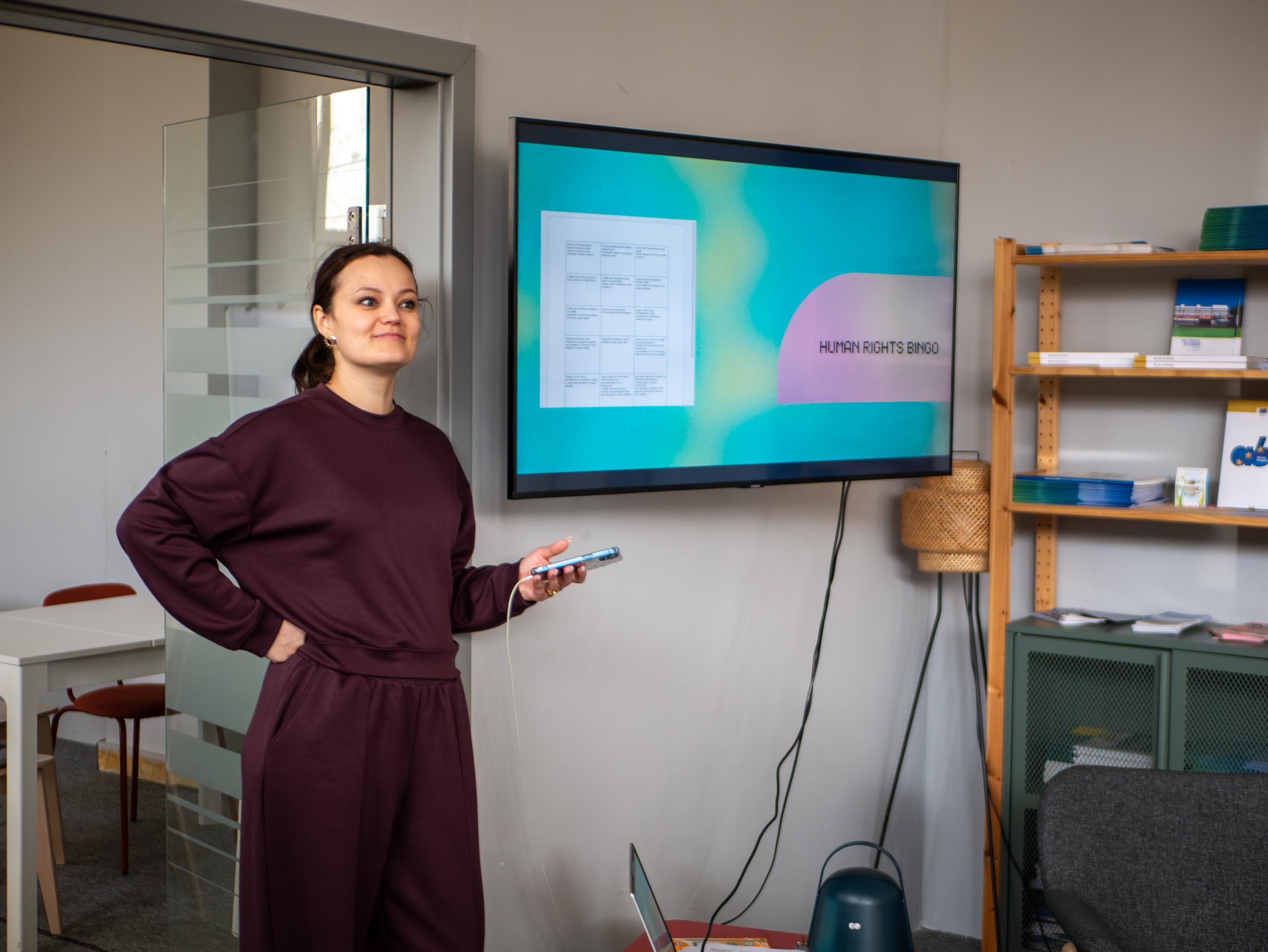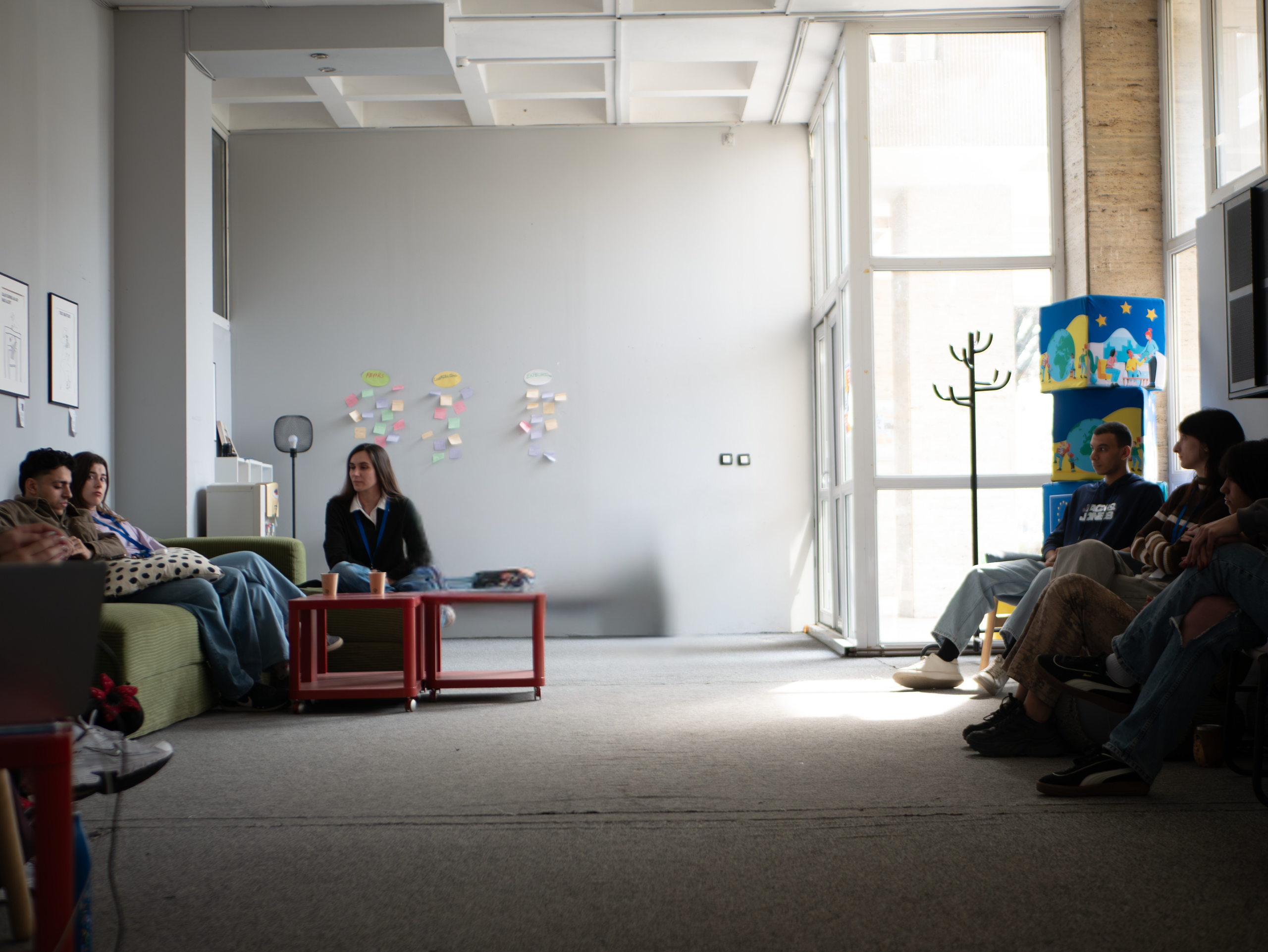
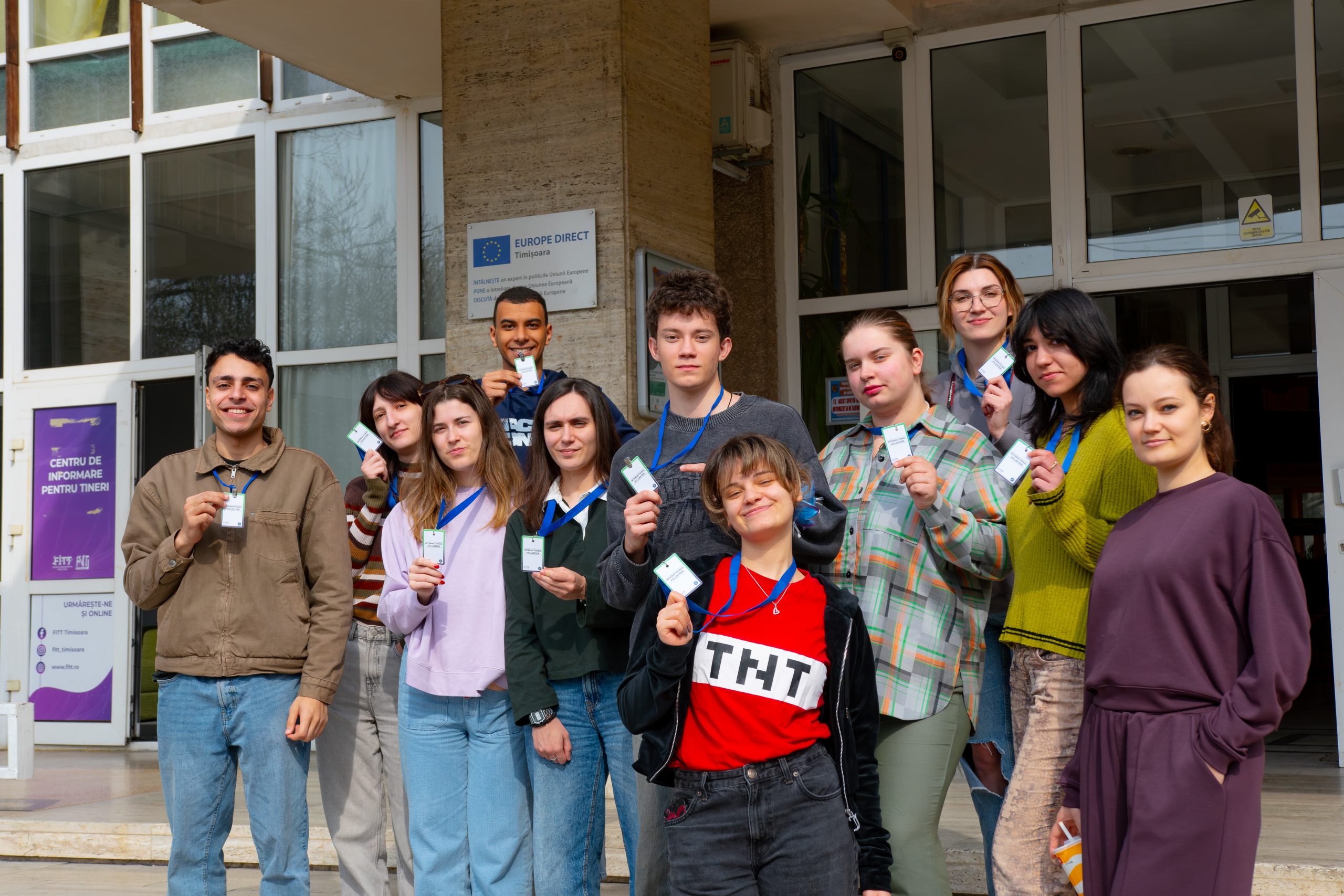
The kettle clicks in the background while someone tries to remember names. A mix of accents fills the room, and even though it is still the beginning, the space already feels alive.
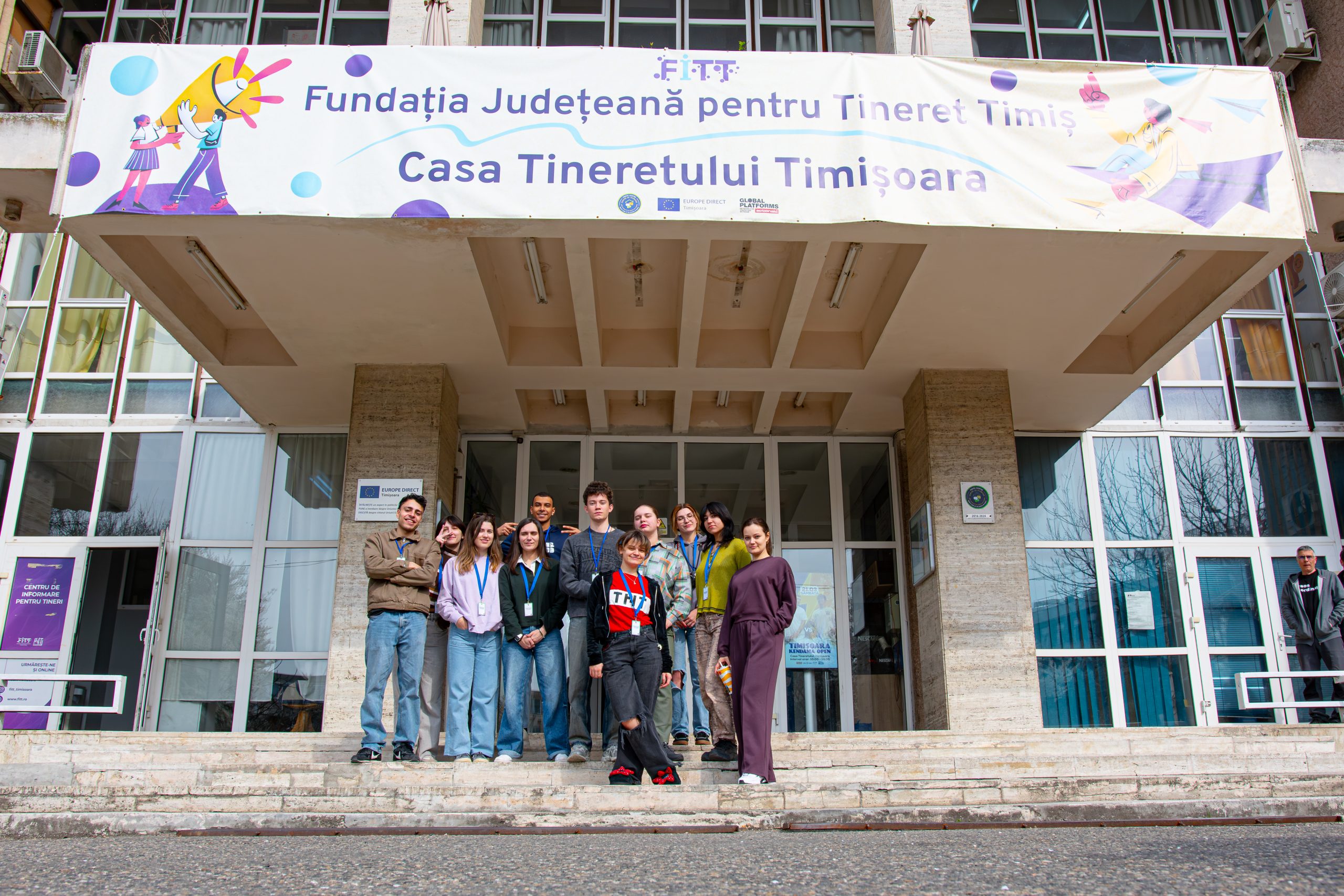
Before the official onboarding at FITT, the first connections of the 6th Youth on a Mission team begin in shared apartments, over coffee and simple conversations. By the time the group meets in Timișoara, they are no longer strangers, just people who are starting to feel more comfortable around each other.
The team brings together ten volunteers with very different backgrounds. Mohamed and Yousif from Egypt, Sara with Palestinian roots and a Ukrainian background, Haizea and Patricia from Spain, Anastasia from Moldova, and Tanya, Pasha, Katya, and Ustina from Ukraine. Together, they form the 6th team of the project, part of the European Solidarity Corps and implemented by FITT Timișoara.
The project connects young people from Spain, Georgia, Ukraine, and Romania, creating a space where cultural differences become part of a shared experience. From the beginning, the atmosphere feels natural. Some volunteers already know each other, which makes the first interactions easier, and conversations flow without much effort.
“I didn’t expect it to feel this easy so quickly” one volunteer says during the onboarding.
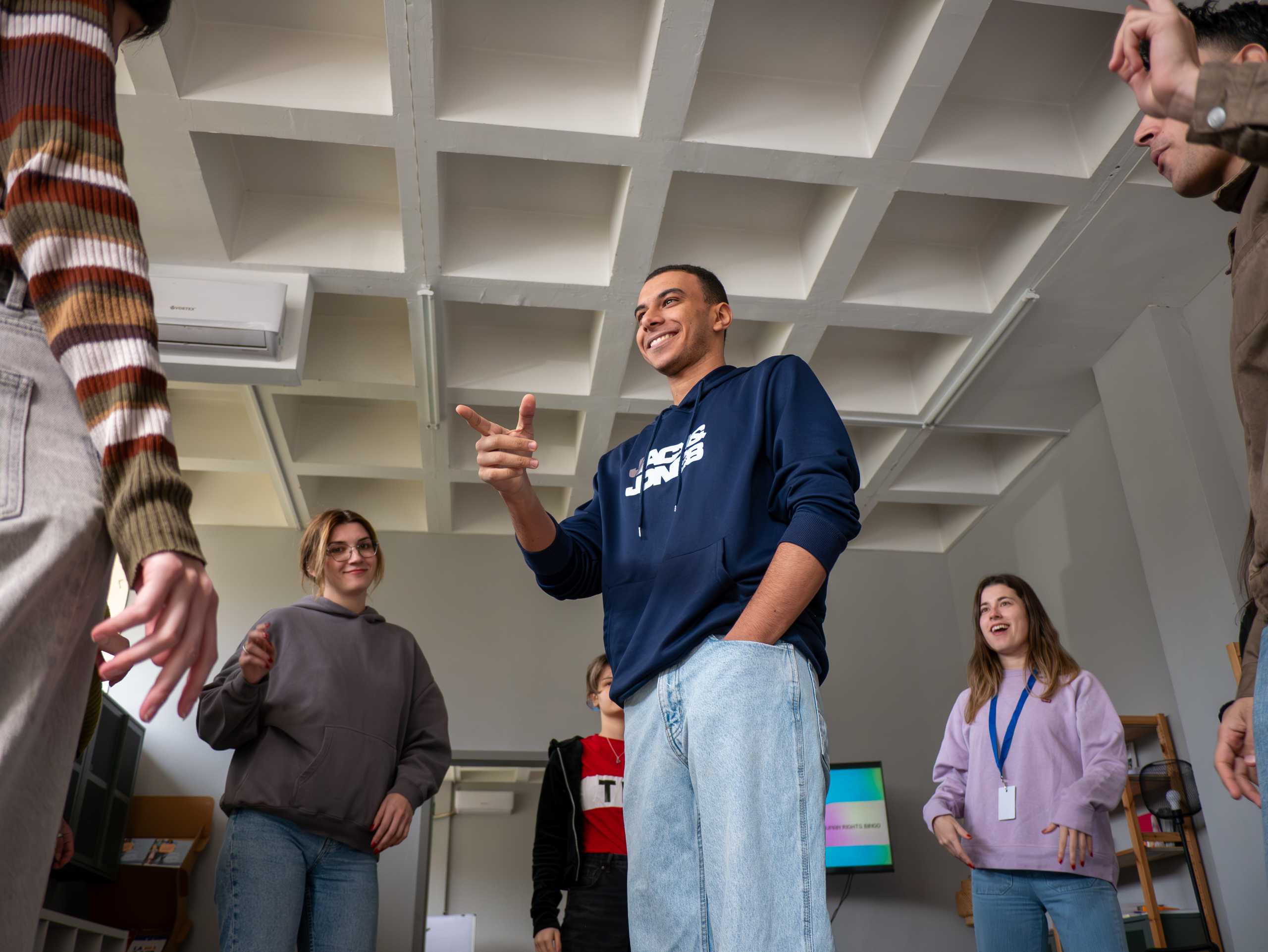
The first week focuses on preparation. The team works on planning the next two months, discussing ideas for workshops and activities, and thinking about how to create a safe and open space for young people. The project supports the Ukrainian Educational Hub, working with children and teenagers through non-formal education and community activities.
For many participants, this is part of adapting to a new country and environment, which makes the role of volunteers more than just organizational. “I came here to be useful, but I see it’s also about understanding how to support people,” one volunteer shares.
The team communicates in English, while Ukrainian volunteers help bridge communication with participants. Different perspectives naturally appear, but instead of creating distance, they begin to shape the team dynamic.
With clear coordination from Valeria, roles are defined and the working atmosphere stays supportive and open. By the end of the week, the group feels more connected, and there is a sense that everyone is in the right place.
This is where the project really begins. Not with activities, but with trust. Next week, expectations will meet reality, and the team will start discovering what this experience really involves.
Article written by Ustyna Dzhereliuk.
The project “Youth on a Mission” is co-funded by the European Union.