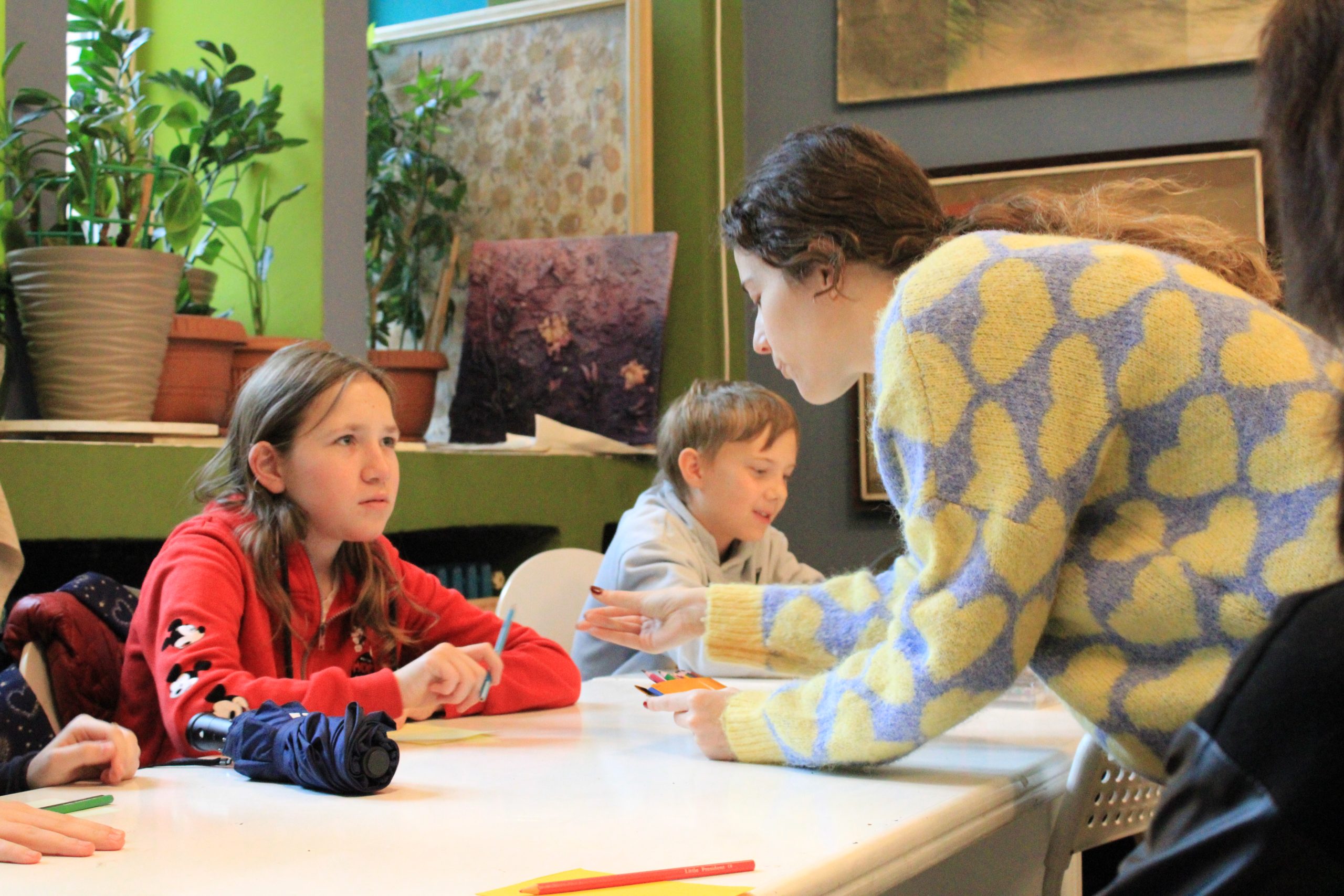
After two weeks of preparation, the Youth on a Mission team moved from planning to real interaction with participants. The first activities were built around non-formal education methods, focusing on emotional expression, creativity, and building trust. Among them were sessions like the Emotion Colour Wheel, identity collages, and exercises such as “Inside vs Outside Mask” and stress relief drawing.
These formats are part of a structured approach designed to help young people explore emotions, reflect on identity, and feel more comfortable in a new environment. For many volunteers, however, this was their first time leading such activities, which brought a mix of excitement and responsibility. One volunteer shared, they felt nervous at the beginning and had to improvise more than expected, especially when activities didn’t go exactly as planned or needed to be adjusted to the group’s energy.
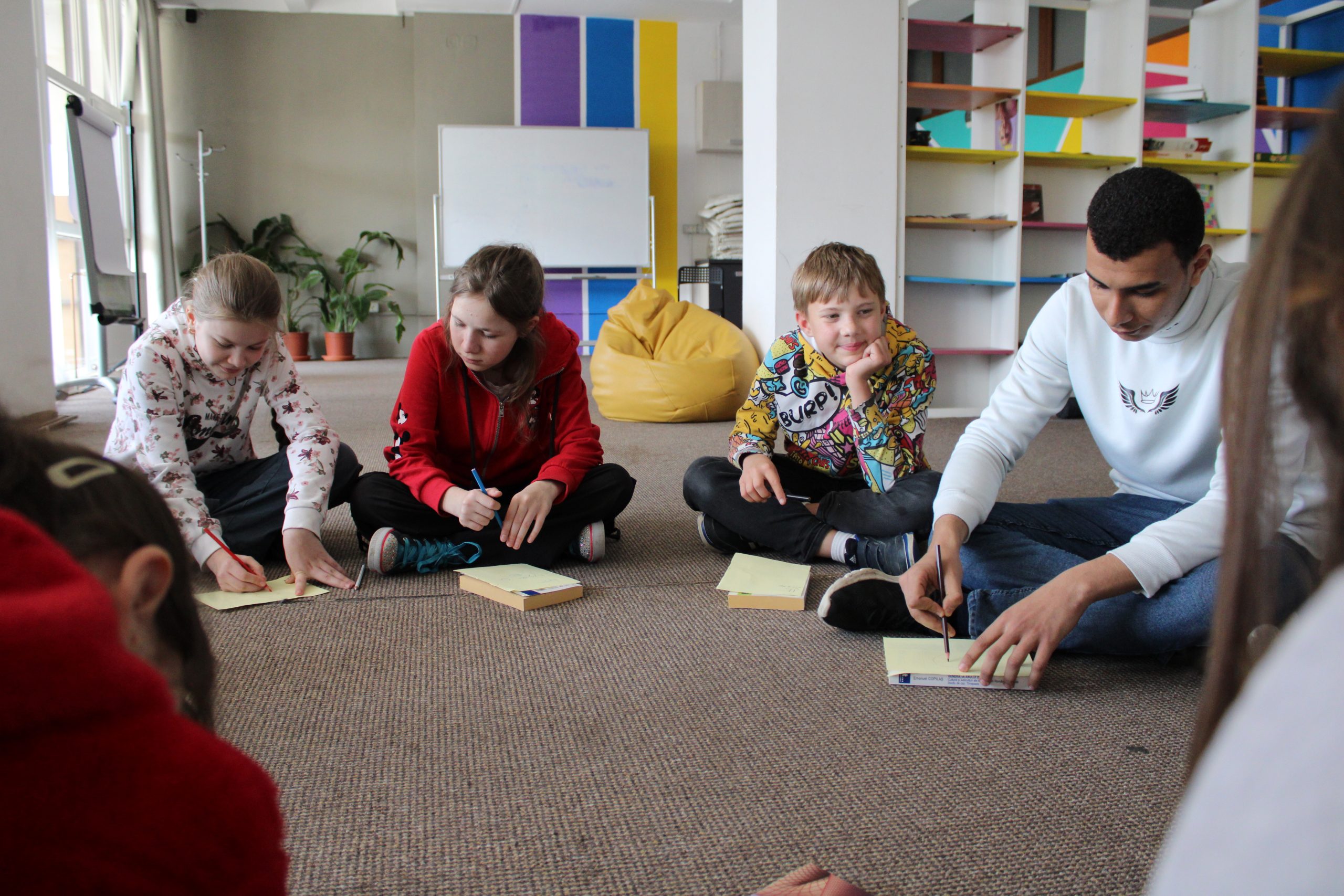
This is where the real learning started. Volunteers began to understand how to read the group, when to guide, and when to step back. Teamwork also became more visible, as they supported each other during sessions and adapted together in real time. What initially felt uncertain gradually became more natural, and interaction with participants started to flow more easily.
One of the most noticeable aspects of the week was how participants responded to creative activities. Drawing, collage, and emotion-based exercises gave them a way to express themselves without relying only on words. Volunteers observed small but meaningful changes: participants became more engaged, more open, and more willing to communicate both with the team and with each other.
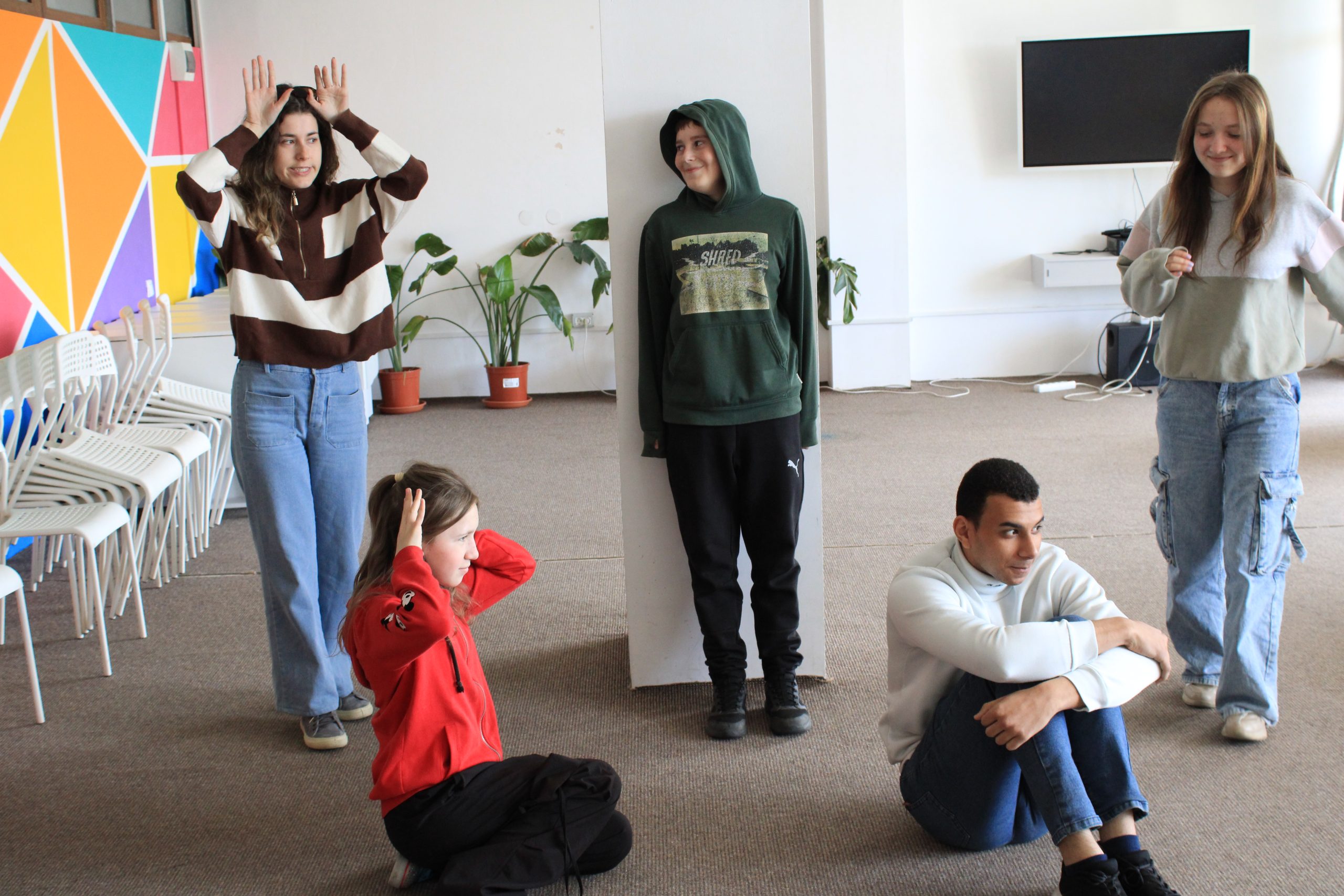
At the same time, lighter moments played an important role in building connection. During one activity, a participant tried to shake off sticky notes by jumping around, turning the situation into a shared joke. In another case, a simple task evolved into a playful interaction between volunteers and children. These moments helped reduce distance and made the atmosphere more relaxed and natural.
Not everything went perfectly, and that is part of the process. What became clear, however, is that the approach works. The project is no longer only about planning sessions, but about real interaction, flexibility, and creating a safe space where young people feel comfortable.
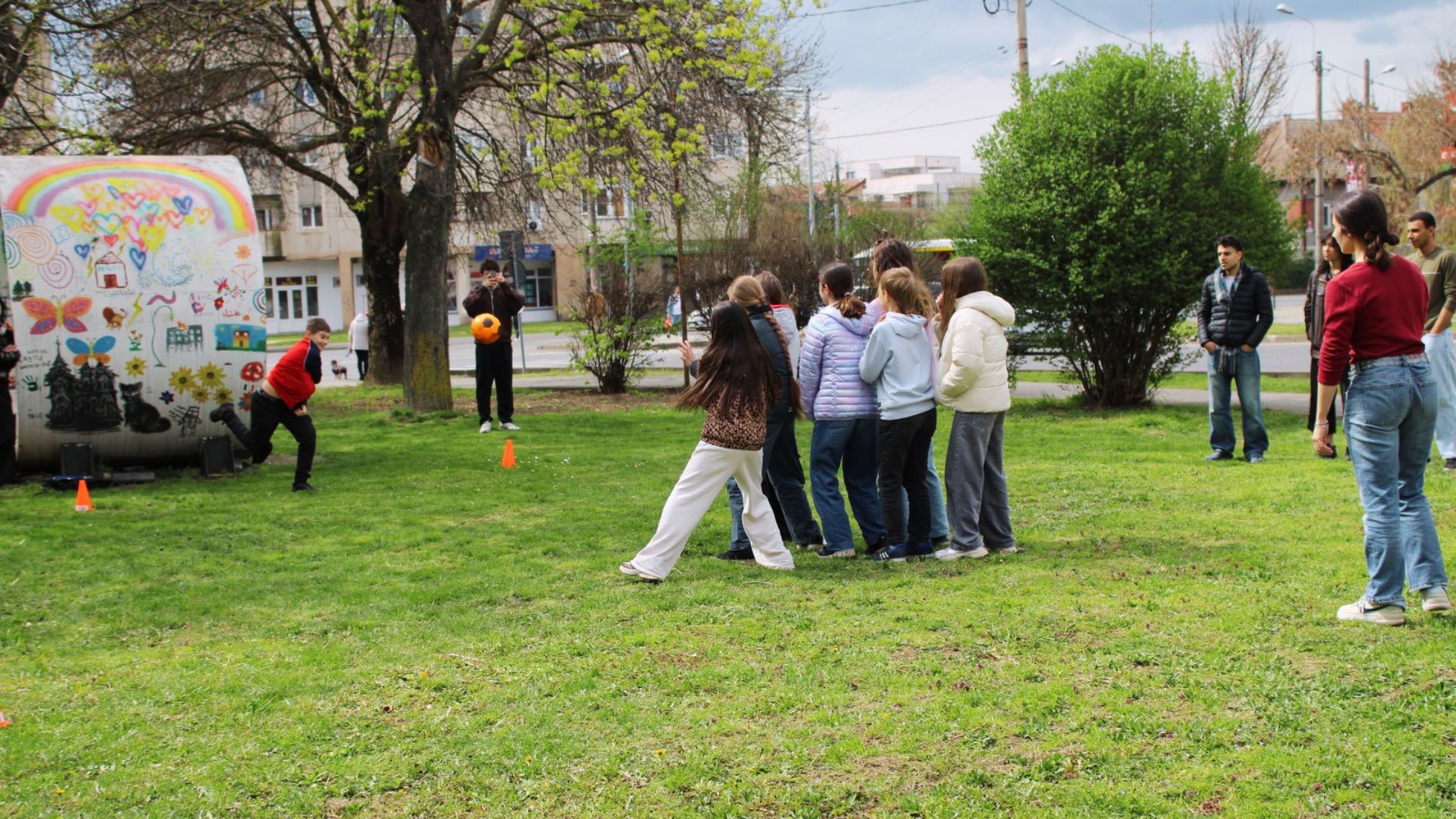
By the end of the week, the team felt more confident in their roles. They are still learning, but now they have practical experience to build on and a clearer understanding of what working with participants actually involves. Most importantly, they are beginning to see how even small activities can create meaningful impact.
Article written by Ustyna Dzhereliuk.
The project “Youth on a Mission” is co-funded by the European Union.