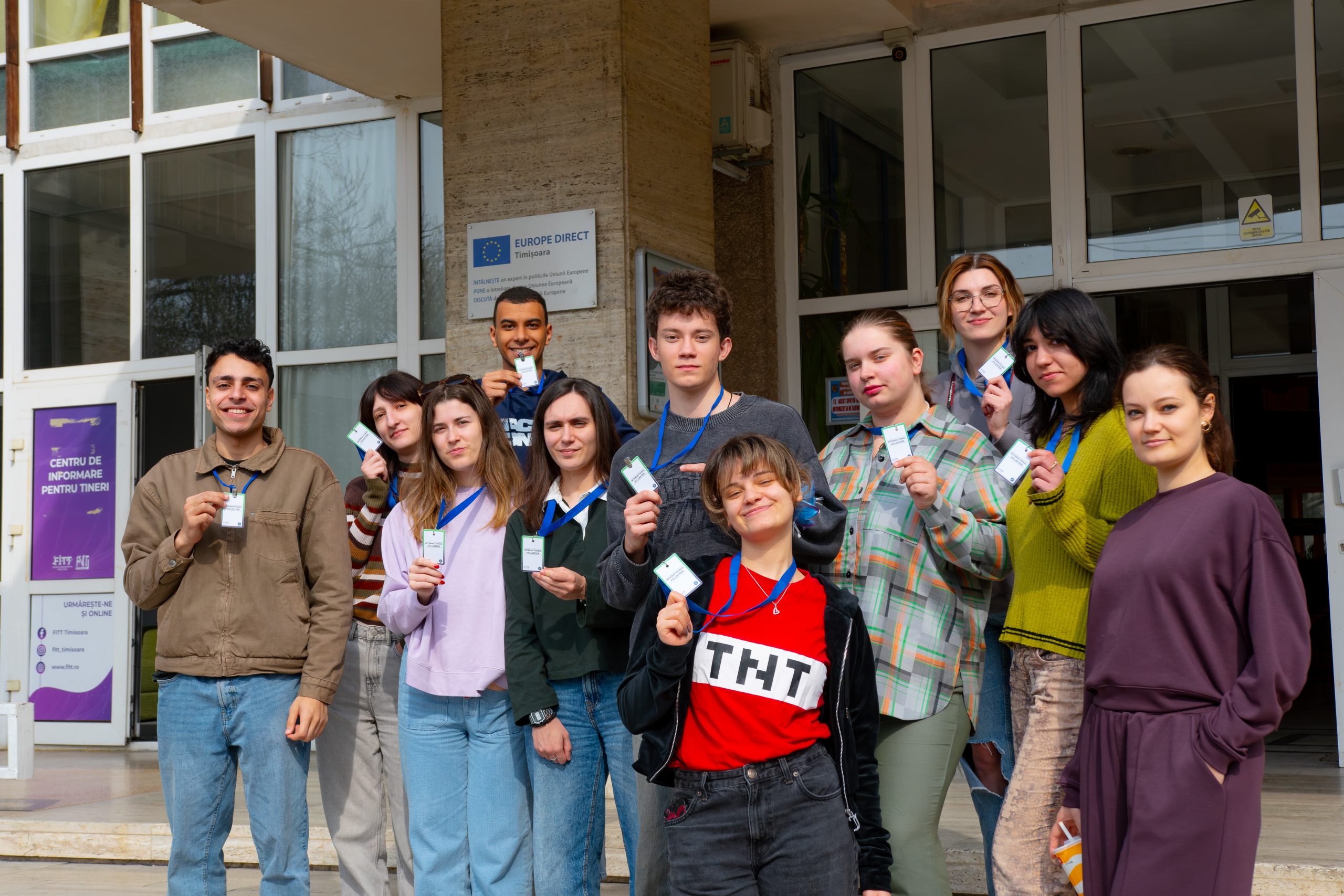
At the beginning, everything seemed quite clear. A new country, a clear mission, and a motivated team made the project feel exciting and manageable. “I thought it would be easy,” one volunteer admits, “not simple, but not too complicated.”
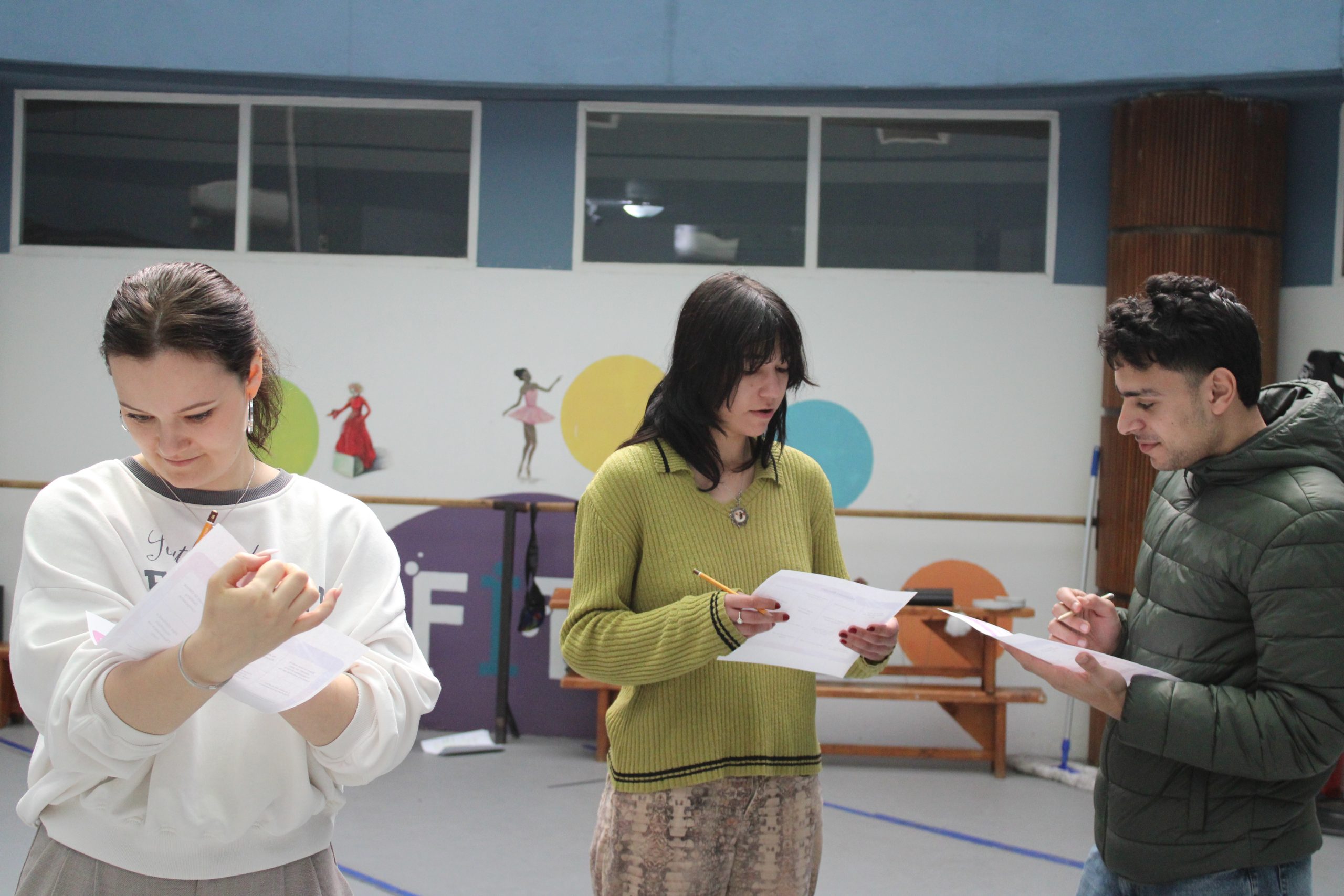
After the first full week, that perception began to change. Not because the project became difficult, but because it turned out to be more complex than expected. Small details required more attention, planning needed more thought, and thinking one step ahead became part of the daily routine. “For me, planning what to do next was challenging,” one volunteer shares.
Communication also took time to adjust. The team works in English, but different cultural backgrounds mean different ways of expressing ideas. Sometimes things are not clear right away, and misunderstandings happen. “Sometimes we don’t express ourselves in the right way, and that creates confusion.”
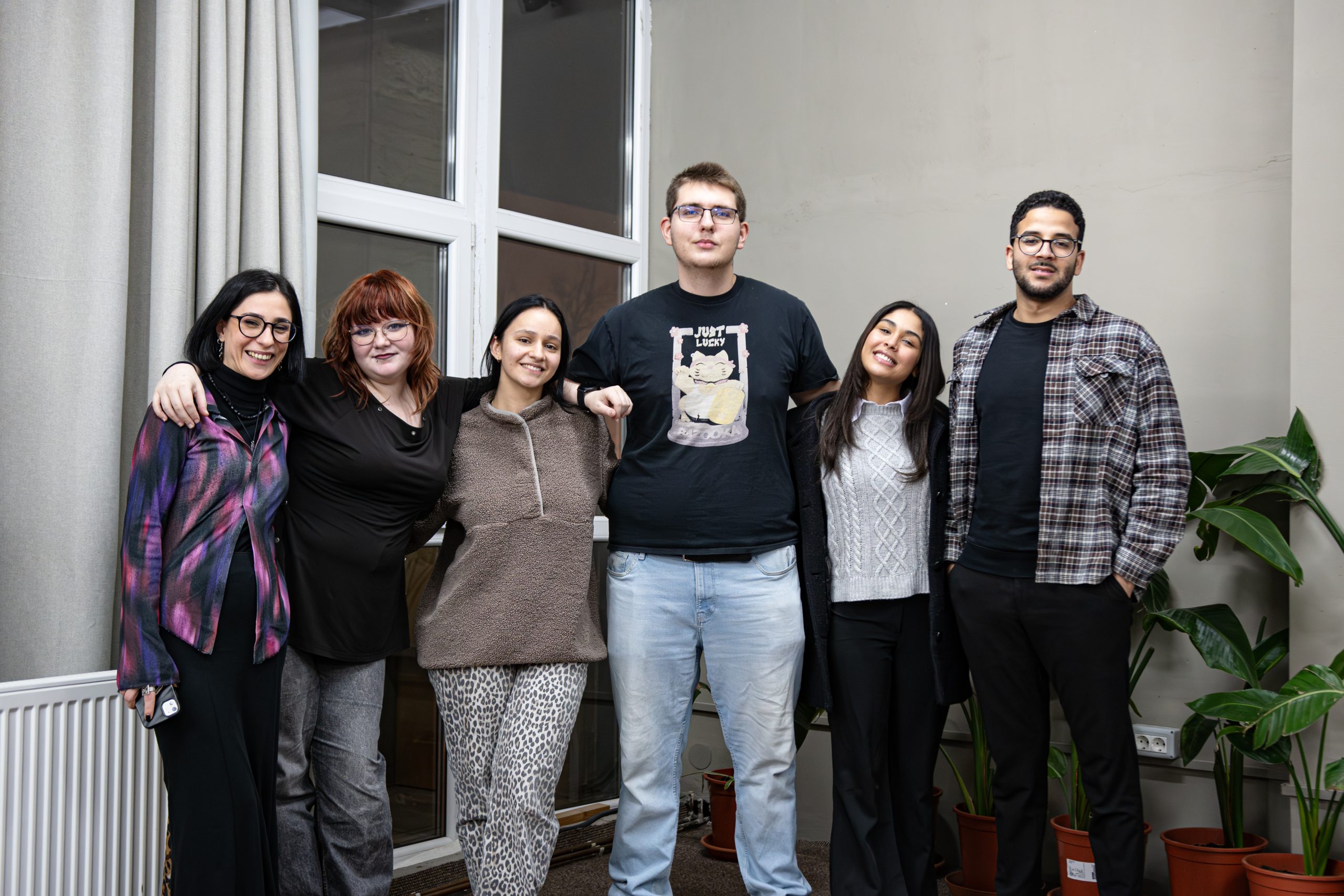
At the same time, the team dynamic is growing stronger. Many volunteers describe the atmosphere as supportive and easy to be part of. “The vibe is even better than I expected,” one of them says.
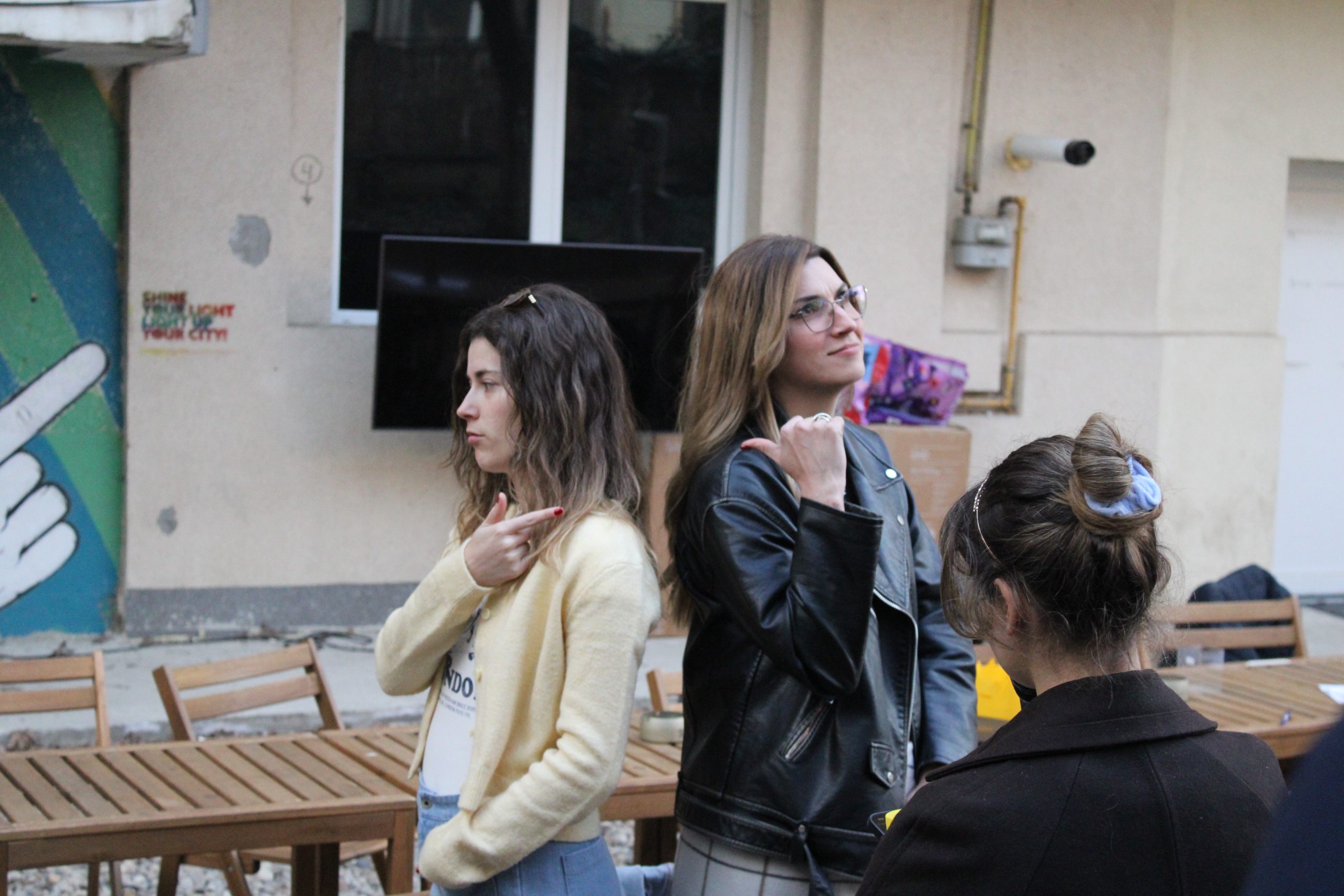
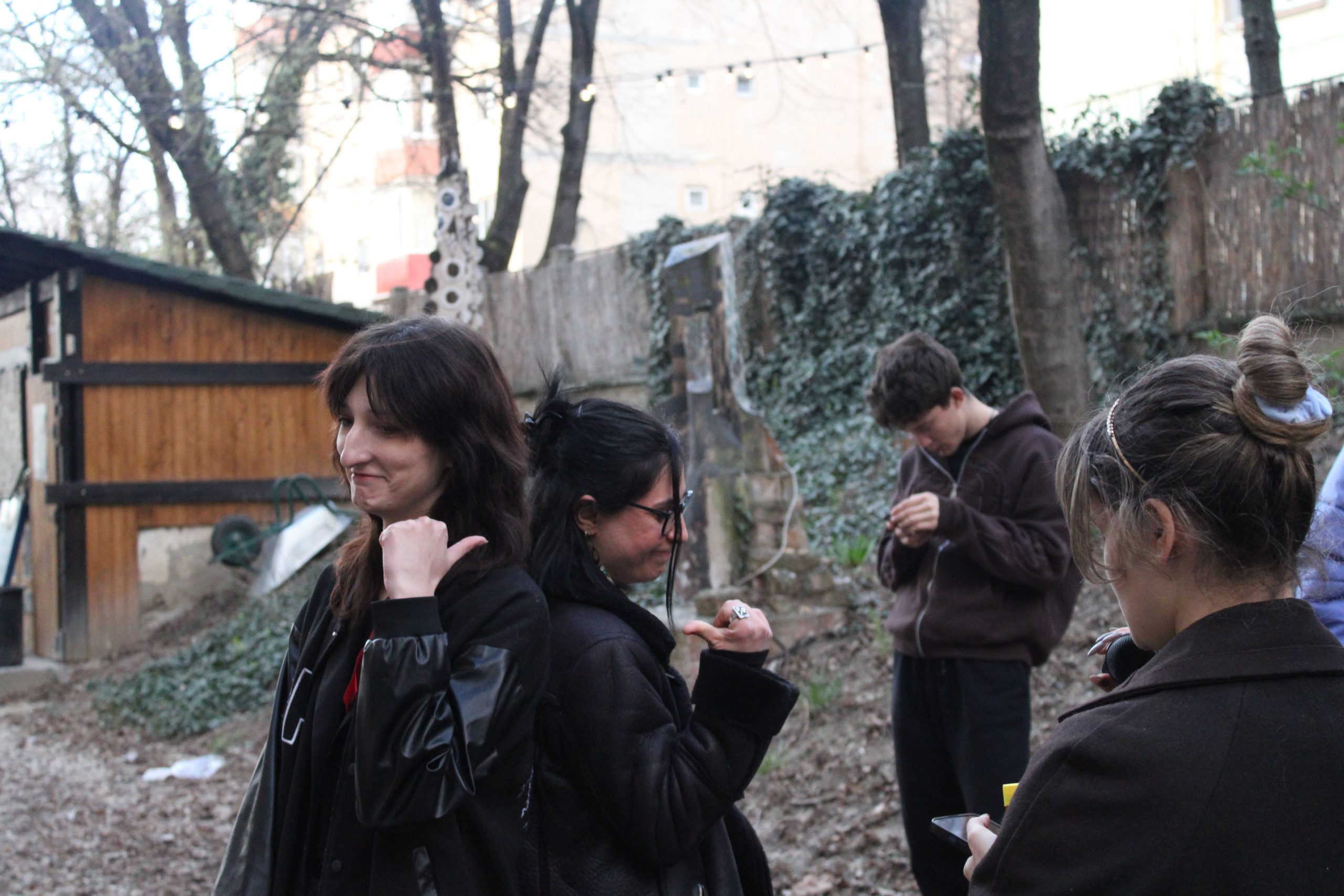
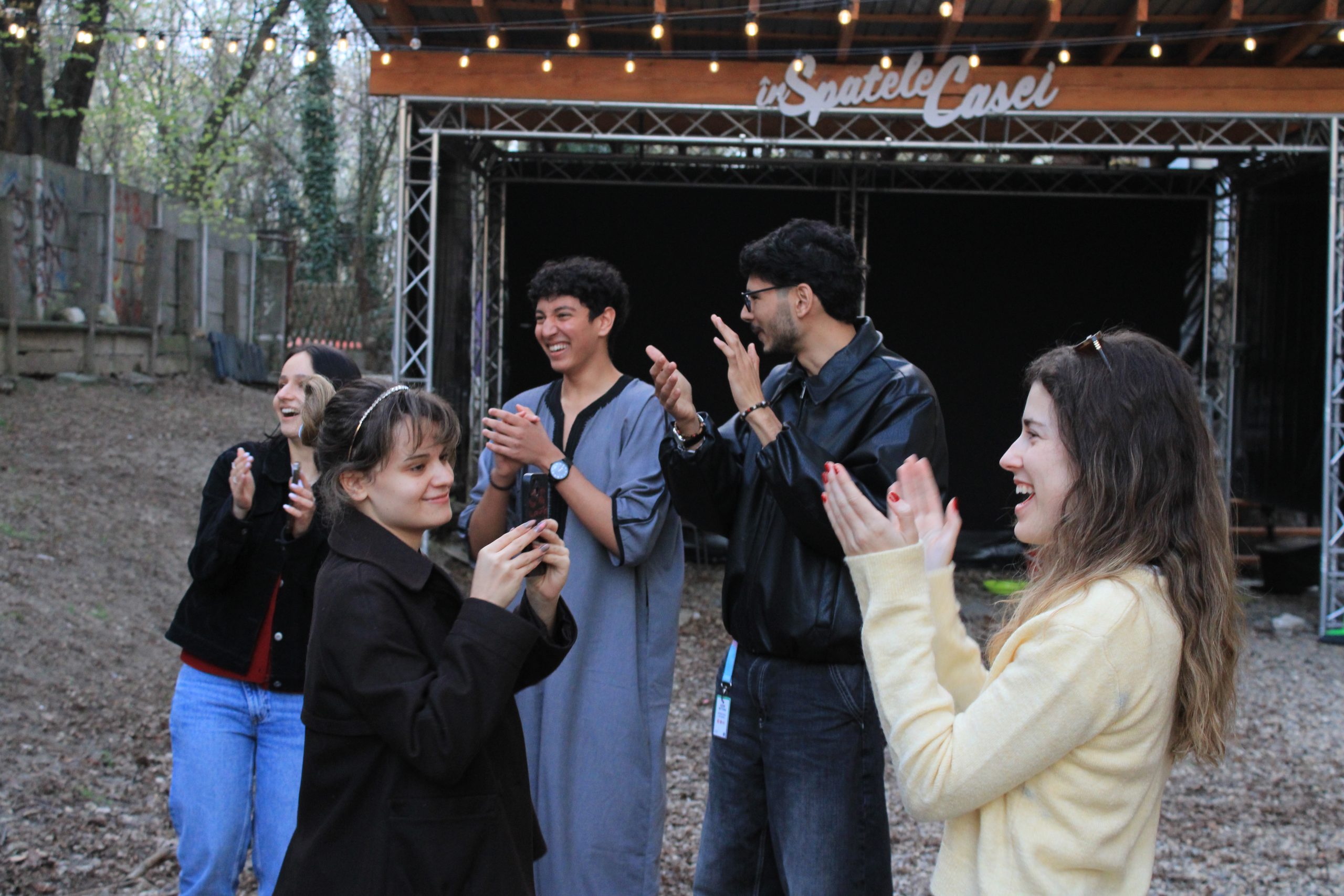
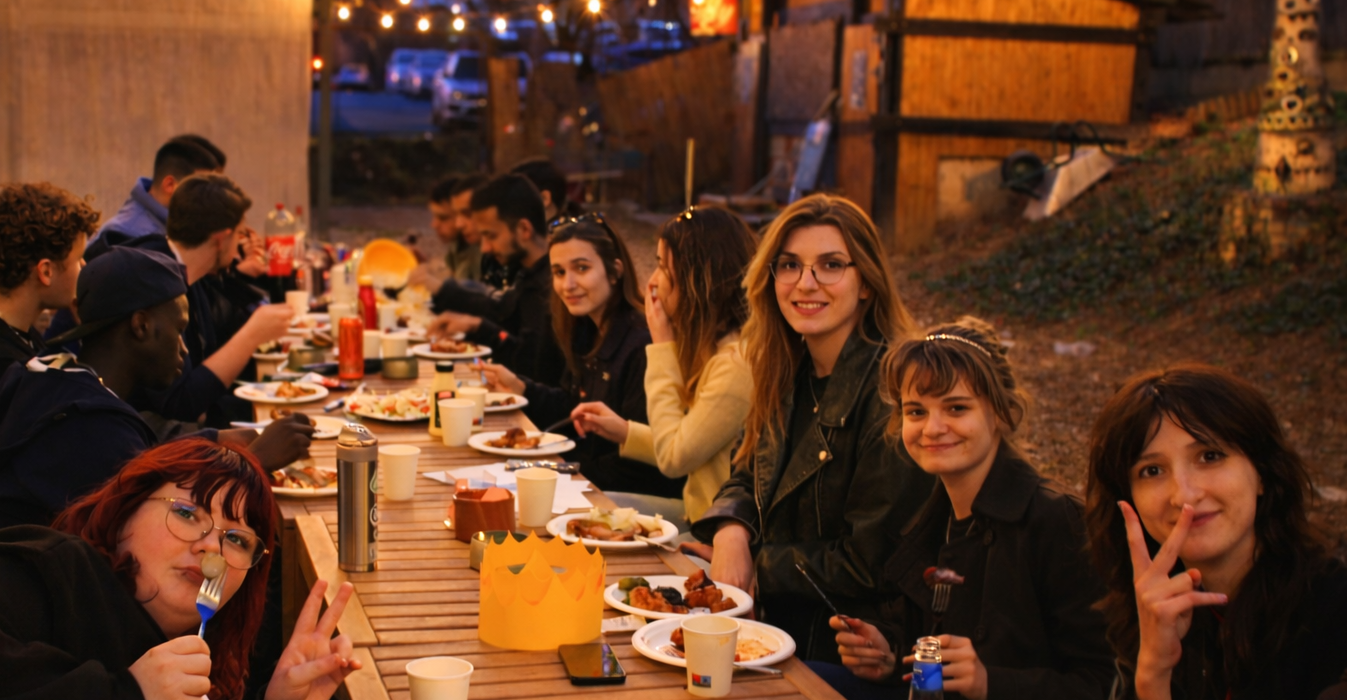
One of the highlights of the week was the intercultural night, where volunteers spent time with long term participants. Music, games, and a simple barbecue created a relaxed environment where people could connect outside of work. After that, communication within the team felt more natural.
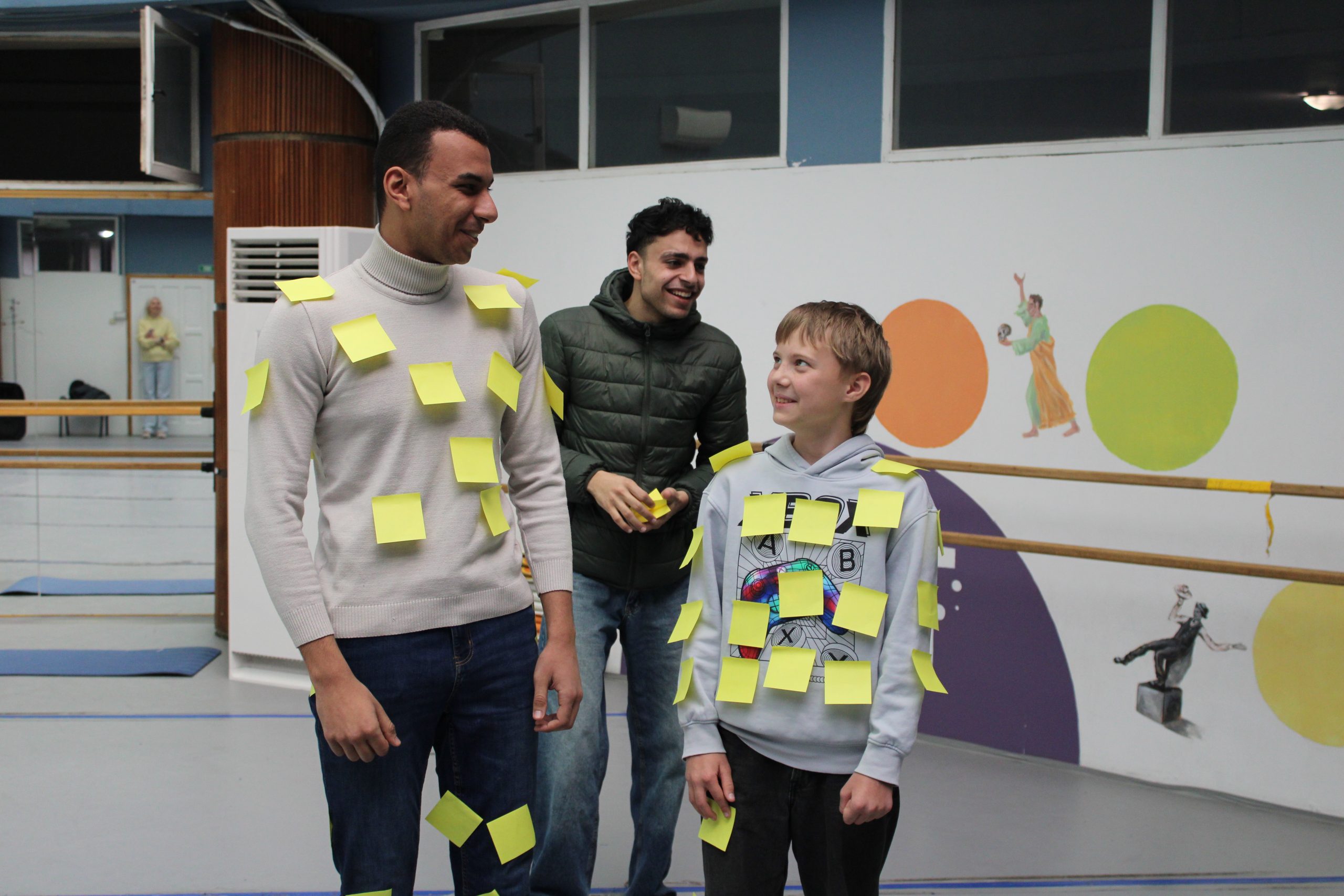
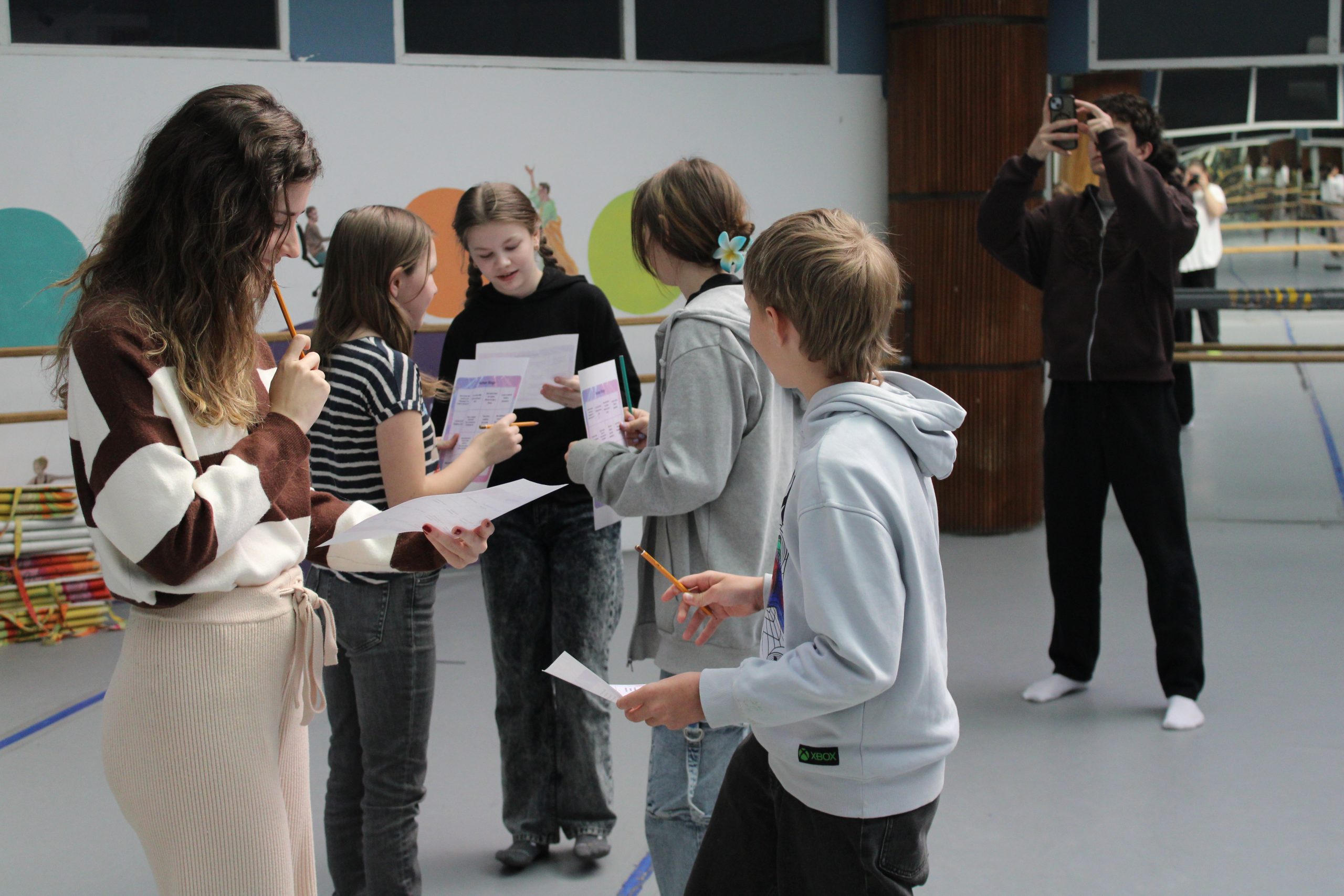
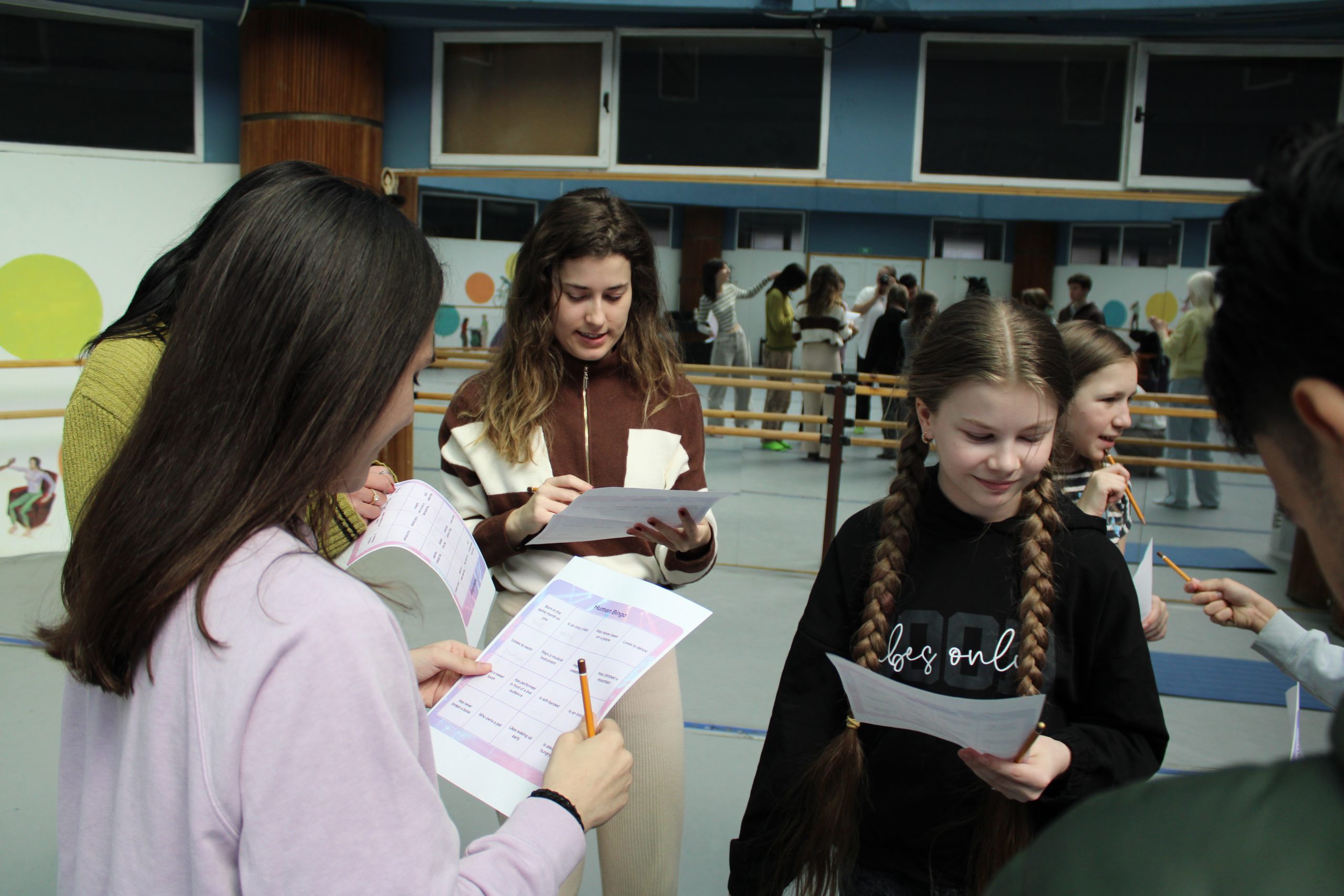
Another important step was the first interaction with children. It was not a full activity yet, but rather a first introduction. Through simple games, volunteers learned names, created a comfortable atmosphere, and gave children space to express themselves. The focus was on making them feel safe and relaxed, and it worked.
After this moment, the project started to feel more real. It was no longer only about planning, but about actual interaction. By the end of the week, expectations were replaced by a clearer understanding of how things work in practice.
The project requires flexibility, communication, and teamwork. Not everything is predictable, but the team is learning how to adapt. “We are a connected team,” one volunteer says, “the vibe is calm and good.”
There is still a lot to learn, but the direction is clear. Next, the team will move into more structured activities with participants.
Article written by Ustyna Dzhereliuk.
The project “Youth on a Mission” is co-funded by the European Union.